What's a Good 5K Time? Practical Pace Benchmarks
Practical 5K finish-time benchmarks by experience, the factors that affect race pace, and a simple approach to running your first 5K faster.

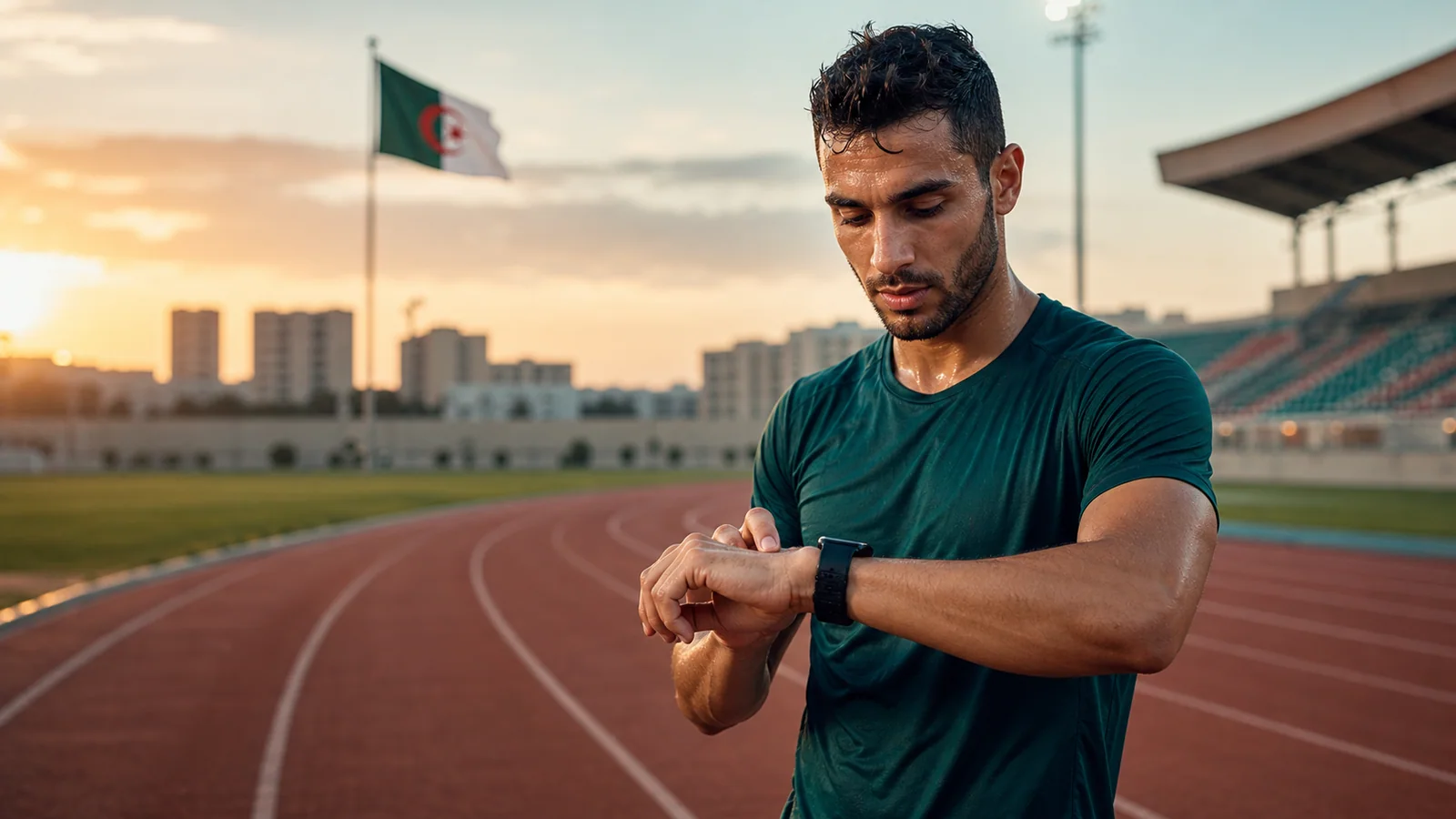
Illustrative image created for ZidRun.
The 5K (5 kilometres) is a popular first race: short enough for many people to prepare for with gradual training, and long enough to feel like a real achievement. The most common question new runners ask is simply — what's a good time? The useful answer starts with your own experience, health, and course.
The short version
For a first 5K, finishing comfortably is a strong goal. A sub-30-minute finish is a meaningful recreational milestone, but your next target should come from your own recent running—not somebody else's table.
Practical 5K benchmarks
There is no reliable Algerian population dataset that defines an “average” 5K. These broad editorial landmarks are more honest: they describe possible goals, not medical or fitness grades. Age, disability, training history, weather, elevation, and course measurement can all change the result.
| Goal | Approximate finish range |
|---|---|
| Complete a first continuous 5K | 30–45+ min |
| Build regular recreational fitness | 25–35 min |
| Trained recreational racing | 20–30 min |
| Competitive club racing | Under 20 min |
For reference, the very best runners on earth cover 5K in roughly 13 minutes — a pace most of us can't hold for even 400 metres. Comparison with elites is fun, but useless for setting your own goals.
Road world records
Elite times offer perspective, not a sensible personal target. The table below is maintained from World Athletics data and identifies marks that are mixed-race performances or awaiting ratification.
| Distance | Men | Women |
|---|---|---|
| 5K road | 12:49 — Berihu Aregawi | 13:54 — Beatrice Chebet (mixed race) |
| 10K road | 26:31 — Yomif Kejelcha | 28:46 — Agnes Ngetich (mixed race) |
| Half marathon | 57:20 — Jacob Kiplimo | 1:02:52 — Letesenbet Gidey |
| Marathon | 1:59:30 — Sabastian Sawe (pending ratification) | 2:09:56 — Ruth Chepngetich |
Reviewed 29 July 2026. Recent performances can remain subject to World Athletics ratification. Women’s 5K and 10K values shown are mixed-race records.
What actually affects your time
- Age — paces naturally slow over the decades; a "good" time at 50 is different from at 25.
- Training history — months of consistent running beats any single hard effort.
- Body composition and health — these can affect running economy, but training history, sleep, nutrition, and health matter too. Weight alone is not a useful verdict on performance.
- Course and heat — a flat, cool morning is far faster than a hilly Algerian afternoon.
How to run your first 5K faster
- Run three times a week. Consistency beats intensity every time.
- Most runs easy (see our guide to Zone 2), with one faster session weekly.
- Add a weekly long run, slowly building from 3 km toward 6–7 km. Racing 5K feels easy when you routinely run further.
- Don't start too fast. The classic mistake: sprinting the first kilometre, then surviving the rest. Start controlled, finish strong.
The only time that matters
Comparing yourself to others is a fast track to discouragement. The number worth chasing is your own last time. Beat that, and you're winning.
Whatever your starting point, gradual and consistent training can move your personal benchmark. The NHS Couch to 5K plan is one evidence-informed starting point for new runners; anyone with health concerns should seek individual medical advice before beginning.
Browse upcoming races across Algeria and pick your first start line.
Find a 5K near you