How to Pace Your First 10K Without Fading
A kilometre-by-kilometre pacing plan for your first 10K, with target-pace calculations, warm-up guidance, and adjustments for heat and hills.

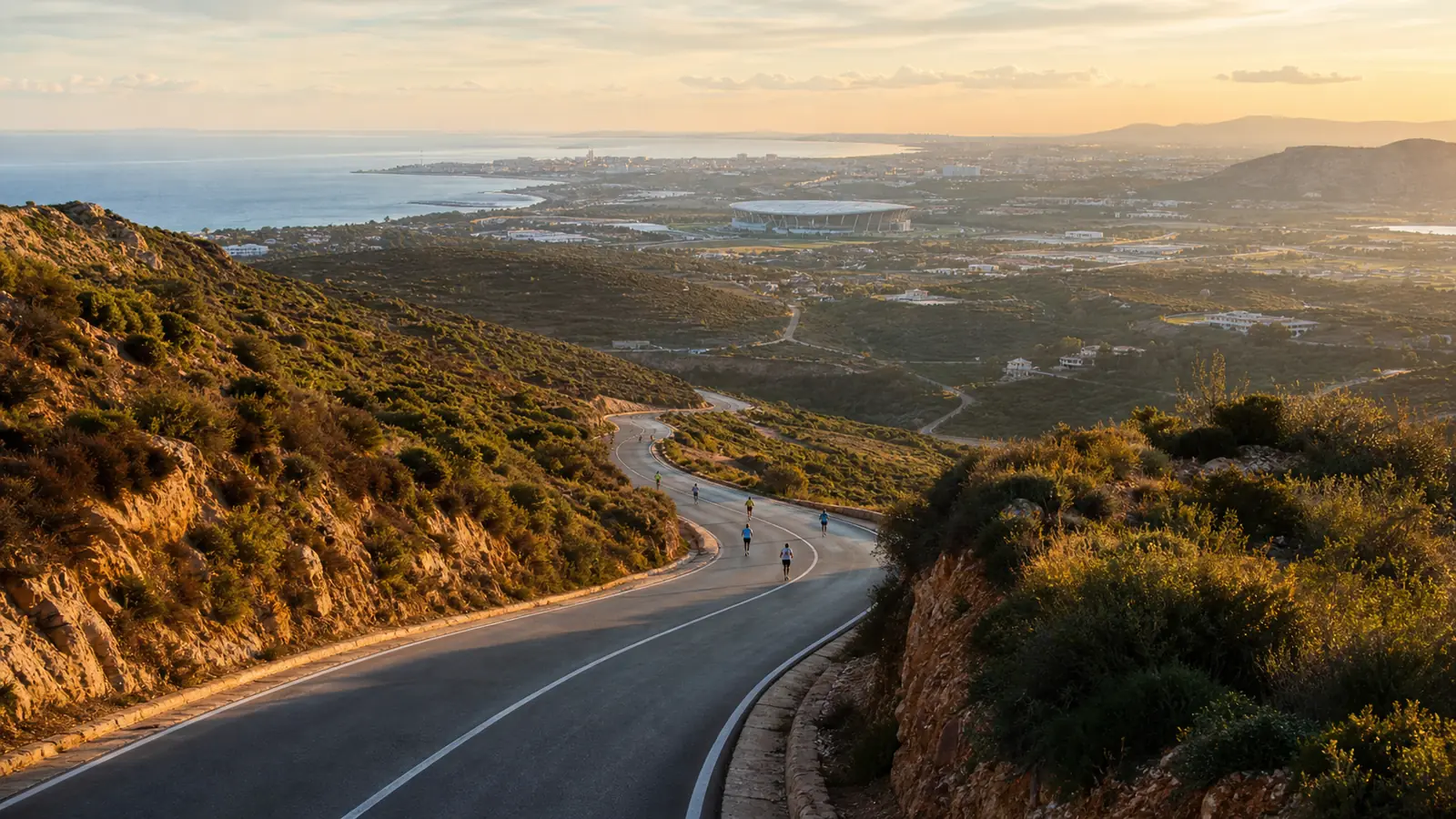
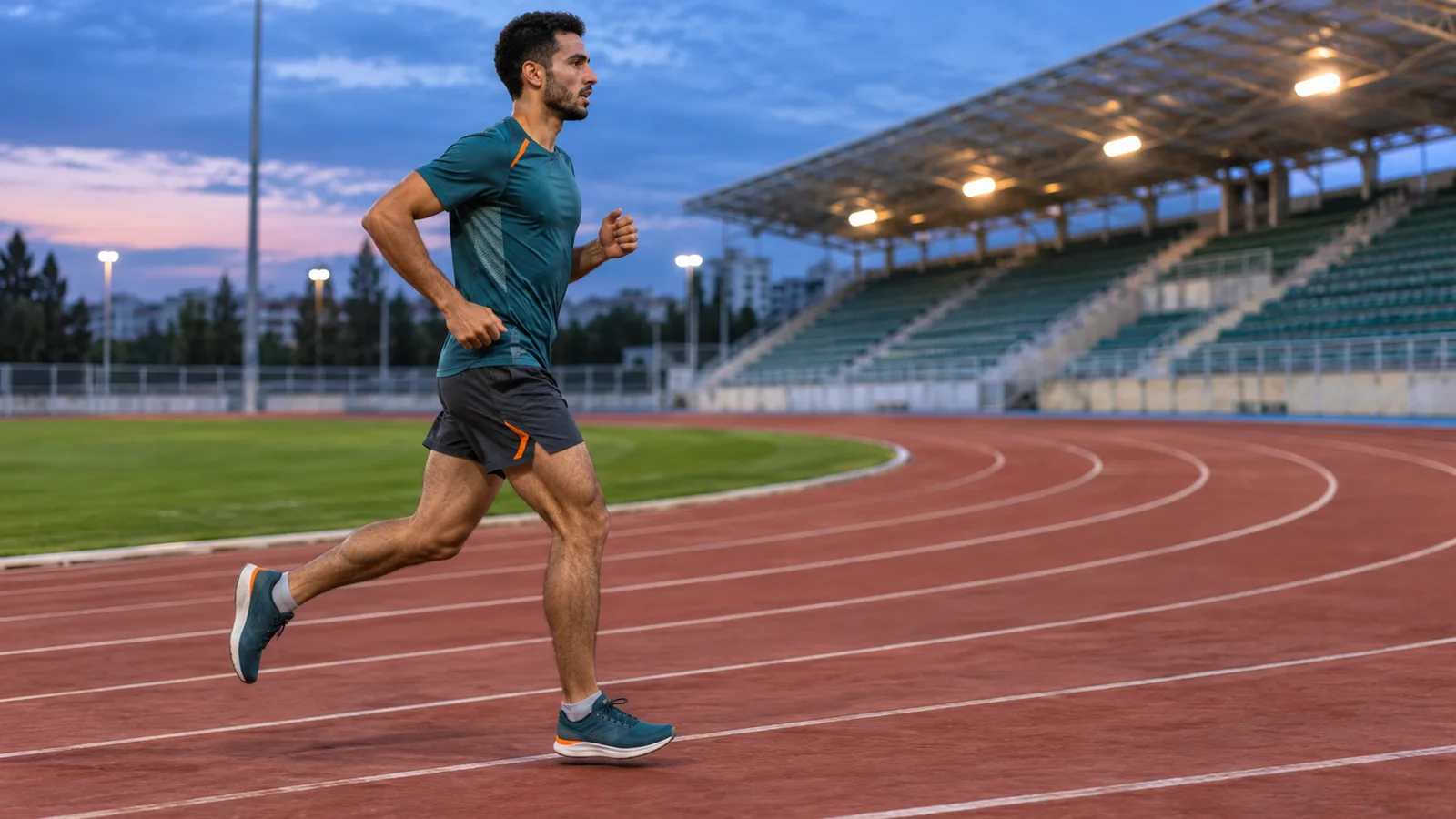
Illustrative image created for ZidRun.
A 10K is long enough to punish an ambitious first kilometre and short enough that every kilometre matters. The best first-race plan is not complicated: choose a realistic effort, start under control, and save your hardest running for the final third.
The one-sentence plan
Run the first 2 km with restraint, settle into your planned effort from kilometres 3 to 7, then compete from kilometre 8 if you still feel in control.
Turn a finish goal into pace
Divide your target finish time by 10 to get the average pace per kilometre. These examples assume an accurately measured course and even conditions:
| Finish goal | Average pace |
|---|---|
| 40:00 | 4:00/km |
| 45:00 | 4:30/km |
| 50:00 | 5:00/km |
| 55:00 | 5:30/km |
| 60:00 | 6:00/km |
| 70:00 | 7:00/km |
Pick a goal supported by recent training. A recent 5K, a controlled 20–30 minute hard effort, or several steady runs is more useful than an aspirational number. If this is your first event, finishing with enough control to enjoy the last kilometre is a strong result.
Your kilometre-by-kilometre plan
Kilometres 1–2: hold back
The start will feel easy because you are rested and surrounded by fast-moving runners. Aim for roughly target pace, or a few seconds slower, while finding space and relaxing your shoulders. Avoid weaving through the field; the extra accelerations cost energy.
Kilometres 3–7: make it boring
Settle into a repeatable rhythm. Check effort, breathing, and lap pace occasionally rather than staring at your watch. You should be working, but not yet bargaining with yourself. On rolling terrain, hold a steady effort: let pace slow uphill and return naturally downhill.
Kilometres 8–9: decide
If your breathing and form are still controlled, gradually increase the effort. Do not turn kilometre 8 into an all-out sprint. If you are already struggling, keep the rhythm and focus only on reaching the next marker.
Kilometre 10: use what remains
With about 800–1,000 metres left, build the effort. Save a true sprint for the final straight, when you can see the finish and the surface is clear.
Warm up without wasting energy
For many recreational runners, 10–15 minutes is enough: easy jogging or brisk walking, a few dynamic movements, and two or three relaxed 15–20 second strides. In hot weather, shorten the warm-up and stay in the shade. Nothing new belongs on race morning—not shoes, breakfast, gels, or a hard warm-up routine.
Heat changes the target
In high heat or humidity, pace can fall even when effort rises. Run by controlled effort, use available water, and accept a slower time. Stop and seek help for confusion, faintness, chest pain, or other alarming symptoms.
Three mistakes that ruin a 10K
- Chasing the first kilometre. A few seconds gained early can become minutes lost late.
- Treating GPS pace as perfect. Buildings, turns, and course tangents can distort the number. Use kilometre signs and your own effort too.
- Ignoring the course. Wind, hills, heat, and crowded turns make perfectly even splits unrealistic.
Large race datasets show that many recreational 10K runners slow in the later stages. That does not prove one pacing pattern is ideal for everyone, but it reinforces a practical lesson: early restraint gives you more choices late in the race.
Sources
- Pacing behaviour in more than 16,000 recreational 10K performances (PubMed)
- Pacing across 10K, half-marathon, and marathon races (PubMed)
- Pacing and perceived exertion during a hot-weather 10K (PubMed)
Browse upcoming races across Algeria and put your pacing plan into practice.
Choose your next 10K